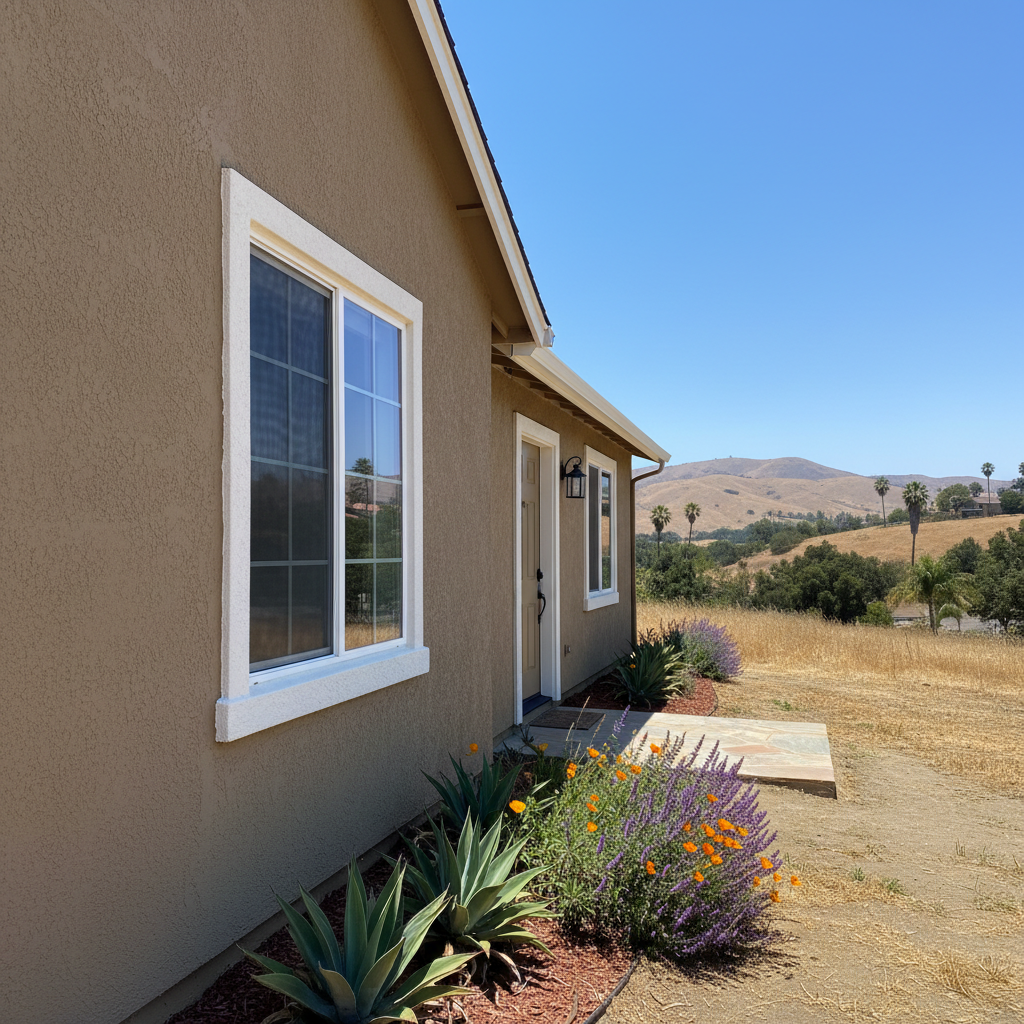
You're looking at your house, maybe the stucco's looking a little tired, faded, or just plain old. Time for a fresh coat of paint, right? Sounds simple enough, but I've seen plenty of Riverside homeowners make some pretty big mistakes when it comes to painting their stucco. And trust me, these aren't just minor hiccups; they can cost you a lot of time, money, and headaches down the road. Let's talk about what to watch out for.
Mistake #1: Skipping the Prep Work (or letting your contractor skip it)
This is probably the biggest one. People see a fresh coat of paint and think that's the whole story. It's not. The paint is only as good as what's underneath it. If your stucco isn't properly prepared, that new paint job won't last. What does proper prep mean?
- Cleaning: You've got to power wash the stucco to get rid of all the dirt, grime, mildew, and loose paint. If you just paint over that stuff, the new paint won't adhere properly and will start peeling or flaking off way too soon. Especially with our Riverside heat and occasional monsoonal humidity, mildew can be a real problem on north-facing walls.
- Repairing Cracks: Stucco cracks. It's just what it does. But you can't just paint over them. Small hairline cracks need to be filled with an elastomeric patch. Bigger cracks might need more extensive repair. If you paint over cracks, they'll show right through, and they'll continue to grow, letting water in behind your new paint.
- Priming: Most stucco, especially older stucco, needs a good quality primer. This helps the topcoat adhere better, gives you a more uniform finish, and can even help seal the stucco, making it more resistant to moisture. Don't let anyone tell you primer isn't necessary. It's cheap insurance for your paint job.
Mistake #2: Choosing the Wrong Type of Paint
Not all paint is created equal, especially for stucco. You can't just slap any old exterior paint on there and expect it to perform. Stucco is a porous, alkaline surface, and it expands and contracts with temperature changes. You need a paint that's designed for that.
Look for high-quality acrylic latex paints specifically formulated for masonry or stucco. These paints are flexible, breathable, and resistant to alkali. They'll hold up much better to our intense Riverside sun and temperature swings than a cheaper, less specialized paint. Elastomeric paints are also an option, especially if you have a lot of hairline cracks, as they're super flexible and can bridge those tiny gaps. They're thicker and cost more, but they offer excellent protection.
Mistake #3: Not Getting Multiple Bids (and not asking the right questions)
I know, everyone wants a good deal. But going with the absolute cheapest bid for a stucco painting project is almost always a mistake. You're not just paying for paint; you're paying for experience, proper prep, quality materials, and a warranty.
When you get bids, don't just compare the bottom line. Ask these questions:
- What specific prep work will you do? (Get it in writing!)
- What brand and type of paint will you use? How many coats?
- Do you caulk around windows and doors?
- How do you handle repairs for cracks or damaged stucco? Is that included?
- Do you carry liability insurance and workers' comp? (Ask for proof!)
- What kind of warranty do you offer on your work?
A contractor who gives you a super low price often cuts corners on prep, uses cheaper paint, or isn't properly insured. You don't want to find out the hard way that your