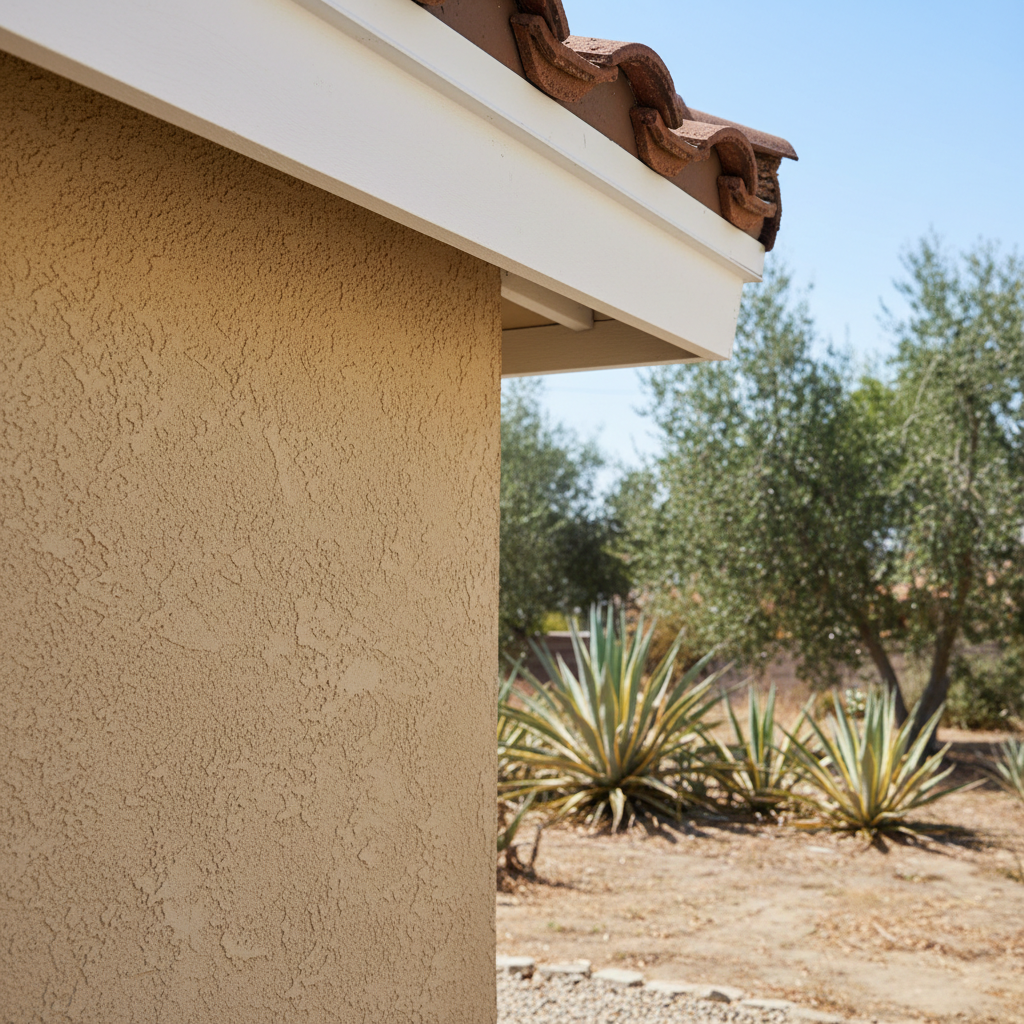
You've got stucco on your home, which is great. It's a tough, durable finish that really stands up to our Riverside sun and those occasional downpours we get. But even the strongest materials need a check-up now and then, right? Knowing what to look for can save you a lot of grief and money down the road. This isn't about becoming a stucco expert overnight, just about being an informed homeowner.
Before the Project: Your Initial Walk-Around
Before you even think about calling someone for repairs or a new coat, you should do a little detective work yourself. This is where you can spot the obvious stuff.
- Look for cracks: Not all cracks are bad, but you need to know the difference. Hairline cracks, especially around windows and doors, are pretty common. They're usually just on the surface. But if you see cracks wider than a credit card, or if they're running horizontally or in a stair-step pattern, that's a big red flag. Those can point to structural movement or water getting in. Pay extra close attention where different materials meet, like where stucco touches a brick foundation or wood trim.
- Check for discoloration or staining: Dark streaks, particularly under windows, eaves, or near the ground, often mean water is getting in and running down the wall. Green or black spots? That's probably mold or mildew, which just loves moisture. You might even notice efflorescence, that white powdery stuff, which means water is moving through the stucco and leaving mineral deposits behind.
- Tap and listen: This is a simple trick. Grab a rubber mallet or even just use your knuckles and gently tap on the stucco. You're listening for a hollow sound. A solid thud is good; it means the stucco is well-attached. A hollow sound can mean the stucco has come loose from the wall sheathing, creating a void where water can collect.
- Inspect around openings: Windows, doors, vents, and utility penetrations are common weak points. Make sure the caulk around these areas isn't cracked, dried out, or missing. If it is, water's got an easy path right in.
- Check the foundation and grade: Look at where the stucco meets the ground. You want at least 6-8 inches of clearance between the bottom of the stucco and the soil. If soil or landscaping is piled up against the stucco, it's a direct bridge for moisture and pests into your wall system. This is a common issue in older neighborhoods like Victoria Avenue, where landscaping has built up over decades, you know?
If you find any of these bigger issues, that's when you call in a pro like us at Riverside Stucco & Plastering. We've got the tools and the experience to figure out what's really going on behind the surface.
During the Project: Staying Involved
So you've decided to move forward with a repair or a new stucco job. Great! But your job isn't over. You need to stay involved, even if you've hired a reputable contractor.
- Ask questions: Don't be afraid to ask what they're doing and why. A good contractor will be happy to explain the process. ---