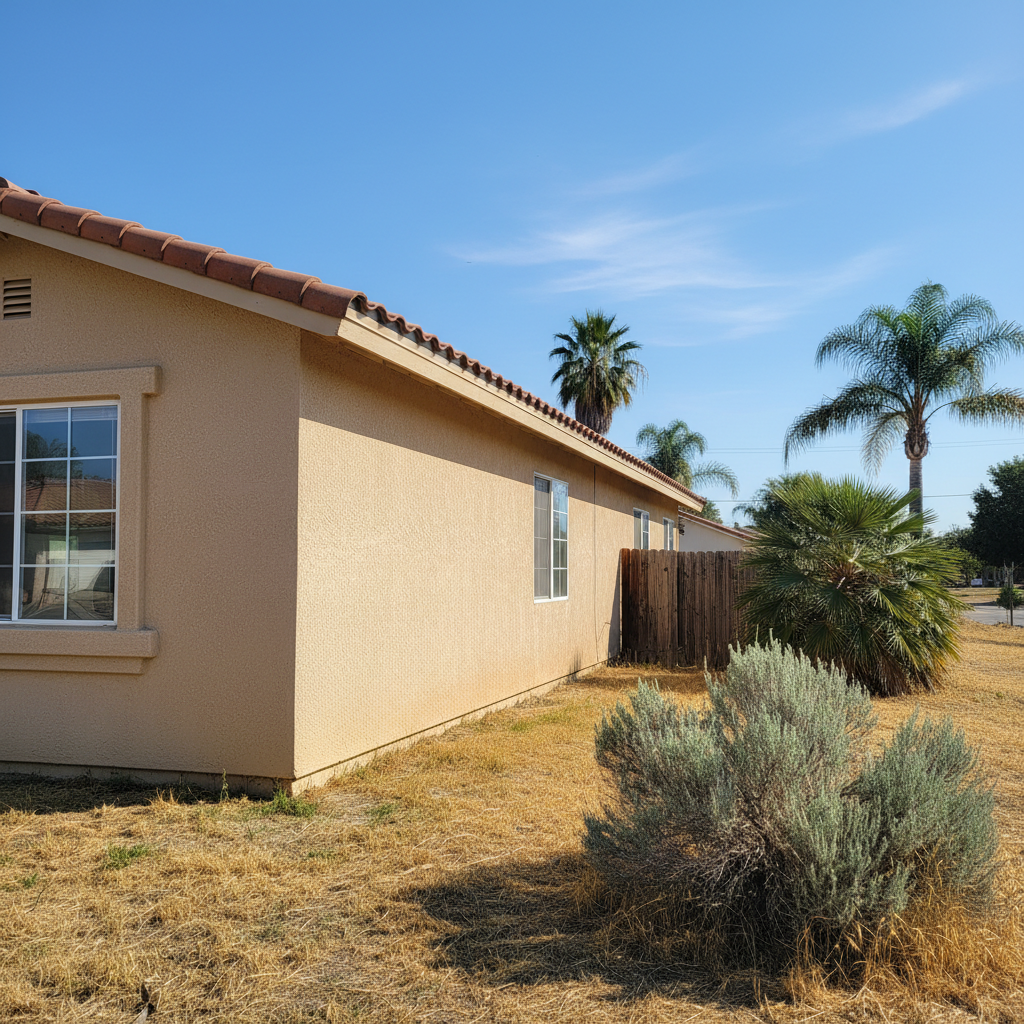
Alright, let's talk stucco repair here in Riverside. You've got cracks, maybe some delamination, or just general wear and tear. The big question I get asked all the time is, "When's the best time to fix this?" It's not as simple as picking a random Saturday, you know? Our local climate, with its scorching summers and surprisingly damp winters, really dictates when and how we can do quality work.
Understanding Riverside's Seasons and Your Stucco
You know how it is here. We get those long, hot, dry summers where the sun just bakes everything. Then, usually around November or December, we start seeing cooler temperatures and, if we're lucky, some decent rain. Both extremes have a big impact on stucco, believe me.
- Summer Heat: This is a double-edged sword. On one hand, stucco dries fast. Really fast. That's good for getting a job done and moving on. But on the other hand, extreme heat can make materials dry too quickly, which can lead to new cracks if we don't handle it just right. It also makes working outside brutal for the crew. We're talking 100+ degrees in August, especially in areas like Orangecrest or La Sierra, where there's less shade from mature trees.
- Winter Rains: When it rains, we can't really work on exterior stucco. Period. Stucco needs dry conditions to cure properly. If you apply it when it's too wet, you're asking for trouble down the line – adhesion issues, discoloration, even mold if moisture gets trapped. Plus, nobody wants us tracking mud all over their property, right?
- Spring and Fall: These are usually our sweet spots. The temperatures are milder, the humidity is generally lower than winter, and we get fewer unexpected rainstorms than in the colder months. This gives the stucco the ideal conditions to cure slowly and strongly, which means a more durable, long-lasting repair for you.
When to Schedule Your Stucco Repairs
So, based on all that, here's my advice:
If you have minor stucco damage – hairline cracks, small chips – and you notice it in the fall, that's prime time to get it looked at and fixed. The weather is usually perfect for application and curing. You'll get the best results and the most efficient work from our crew.
If you spot damage in the spring, that's another excellent window. We're usually past the worst of the winter rains, and the really intense summer heat hasn't kicked in yet. You'll beat the rush and get your house looking good before summer entertaining starts.
What if you find damage in the middle of summer or winter? Don't ignore it. Get us out there for an inspection. We can assess the damage, give you an estimate, and tell you if it's something that absolutely needs immediate attention (like a big hole letting water in) or if it can wait for better weather. Sometimes, we can do temporary fixes to prevent further damage until conditions are right for a permanent repair.
Protecting Your Stucco Investment Year-Round
It's not just about fixing things when they break; it's about keeping them from breaking in the first place. Here are a few things you can do:
- Keep an Eye Out: Walk around your house a few times a year. Look for new cracks, discoloration, or any signs of moisture around windows and doors. Catching small problems early saves you big money later, doesn't it?
- Manage Your Landscaping: Make sure sprinklers aren't constantly hitting your stucco. Constant moisture is a stucco killer. Also, keep plants and shrubs trimmed back so they're not rubbing against the walls, which can wear down the finish and trap moisture.
- Check Gutters and Downspouts: Make sure they're clean and directing water away from your foundation and stucco walls. Overflowing gutters are a common cause of stucco damage and water intrusion.
- Consider a Fresh Coat of Paint/Elastomeric Coating: If your stucco is older but still in good shape, a quality elastomeric paint can add an extra layer of protection against the elements, especially our intense sun. It helps seal hairline cracks and provides a flexible barrier.
We've been doing this for years at Riverside Stucco & Plastering, and we've seen it all. The key is understanding how our unique Riverside climate impacts your home's exterior and taking proactive steps. Don't wait until a small crack turns into a major headache. Give us a call when you see something, and we'll help you figure out the best plan of action for your home and our weather.