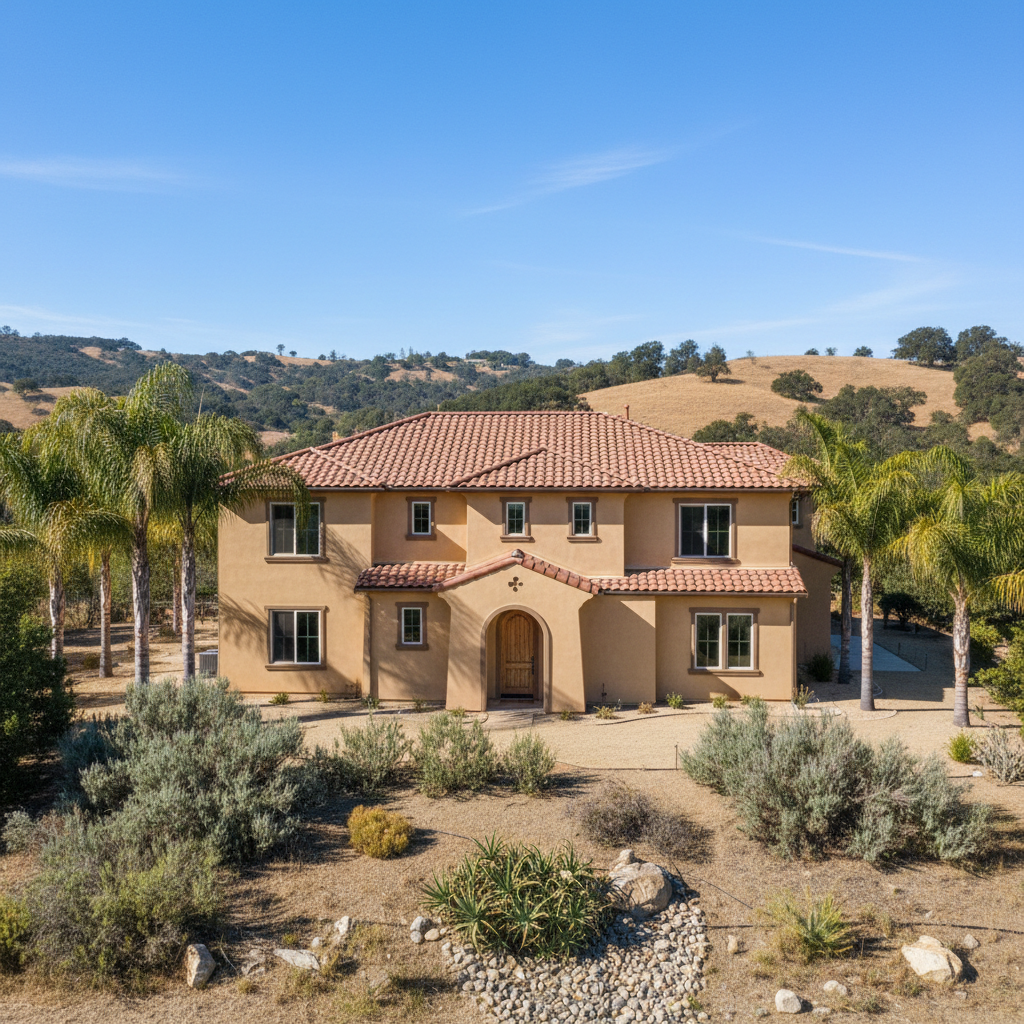
Getting Your Commercial Stucco Project Right in Riverside
So, you are thinking about giving your commercial property a fresh new look with stucco, or maybe you are putting up a new building and stucco is the finish you have chosen. This is a smart decision. Stucco is very durable, it looks sharp, and it holds up well to our Riverside weather, especially with that intense sun and the occasional Santa Ana winds we get. But here is the thing: a commercial stucco project is not like painting a bedroom in your house. It is a big investment, and you want to make sure that it is done correctly. As someone who has been working in this business for many years with Riverside Stucco & Plastering, I have seen just about everything, and I want to give you the honest truth about what you need to know.
The Timeline: Patience is a Virtue (and a Necessity)
Let us get this out of the way right from the start: stucco is not a job that takes only two days to finish. It is a process that takes multiple weeks, and that is mostly because of the chemical curing times that are required by code. You cannot rush this process, or you will end up with problems later on. Here is a typical breakdown of the steps:
- Prep & Lath (Days 1-3): This first step involves getting the surface ready, masking off windows, and then installing the paper and wire mesh. If there is old stucco that needs to be removed, that will add more time, usually about 1 to 2 days depending on how big the project is.
- Scratch Coat (Day 4): This is the first layer of cement plaster that we apply. Once it is on the wall, it needs to be moist-cured for at least 48 hours to ensure proper adhesion.
- Brown Coat (Day 6): This is the leveling layer that goes on after the scratch coat. After we apply this layer, it needs to cure and dry for about 7 to 14 days. This is where those Riverside temperatures can make a difference; our dry heat can speed up the drying process, but if it is not managed carefully, it can compromise how well the stucco sticks to the wall.
- Finish Coat (Day 14+): This is the final layer where the color and texture you have picked for your commercial building will come to life.
You should remember that this is a general guide to the timeline. Things like the size of your commercial building, how complex the design is, and any repairs that might be needed for the structure underneath can make these times longer. For example, if we find dry rot when we are taking off the old stucco, we have to stop and repair the framing, and this will add to the overall timeline.
What to Expect During the Process
When you have a commercial stucco project going on, you will see a few different phases. First, there is the stucco removal, if it is a re-stucco job, and then the surface preparation. This part can be dusty and a little noisy, especially if we need to do any sandblasting. Then comes the installation of the lath and paper, which is basically setting up the framework for the layers of stucco. You will see rolls of wire mesh and paper being put up on your walls.
Next, the actual stucco application begins. It is applied in multiple layers: first the scratch coat, then the brown coat, and finally the finish coat. Each one of these layers needs its own proper curing time. You will notice scaffolding around your building, and our crew will be working very carefully to make sure each coat is put on correctly and cured the right way. Do not be surprised by the smell of fresh cement, because that is normal. Our goal is always to have a smooth, efficient process, but sometimes things like unexpected weather or finding hidden damage can cause small adjustments. We will always keep you informed about what is happening.
How to Prepare Your Commercial Property
Your part in getting ready for a commercial stucco project is very important for making sure everything runs smoothly. Here is what you need to do:
- Clear the Perimeter: You should trim back any bushes, trees, or landscaping so they are at least 2 to 3 feet away from the building. If branches touch wet stucco, they can ruin the finish.
- Remove Wall Hangings: On the inside of any exterior walls, take down any pictures, shelves, or fragile items. The vibrations from sandblasting and lathing can cause things to fall off.
- Ensure Access: Please make sure that all gates are unlocked and any pets are secured. We will need clear access to all sides of the building to do our work.
- Inform Tenants/Employees: If your commercial building has people working or living in it, you should tell your tenants or employees about the project timeline and any possible disruptions, such as noise, dust, or restricted access, well in advance.
- Protect Valuables: Move any outdoor furniture, signage, or equipment away from the areas where we will be working.
Also, you need to make sure that you have all your permits in order. Riverside County requires permits for stucco work that is more than 500 square feet, and there are mandatory inspections at different stages of the project. Your contractor should handle the permitting process, but it is good for you to know about it.
Questions to Ask Before Signing a Contract
Before you commit to a contractor, you need to feel confident in them. Do not be afraid to ask tough questions. Here are some very important ones:
- Can I see your license and insurance? Any good contractor will have both general liability insurance and workers' compensation. You should ask for current certificates and then verify them.
- How long have you been doing commercial stucco work specifically? Experience is important, especially with commercial projects. You want someone who specializes in stucco, not just a general contractor who only does it sometimes.
- Can you give me references for similar commercial projects you have finished, preferably ones from a few years ago? This will let you see how their work holds up over time.
- What specific materials do you use, and why do you use them? A good contractor can explain their material choices and why they are the best for your project and for our local climate here in Riverside.
- How do you handle permits and inspections? They should be handling this whole process for you.
- What is your payment schedule? Be careful of anyone who asks for a very large deposit upfront. A moderate deposit to start, with payments tied to different project milestones, is typical. You should never pay the full amount upfront.
- What kind of warranty do you offer on your work and on the materials? A solid warranty provides a good feeling of security.
- Who will be my main point of contact, and how often can I expect updates? Clear communication is a key part of any successful project.
- How do you make sure that you follow California building codes for commercial stucco? These codes are complex, especially for fire and seismic safety. Your contractor needs to know them very well.
Taking the time to plan things properly and asking the right questions will save you from headaches and will save you money in the long run. A commercial stucco project is an investment in how your business looks and how long it will last, so make sure you are setting it up for success from the very first day.