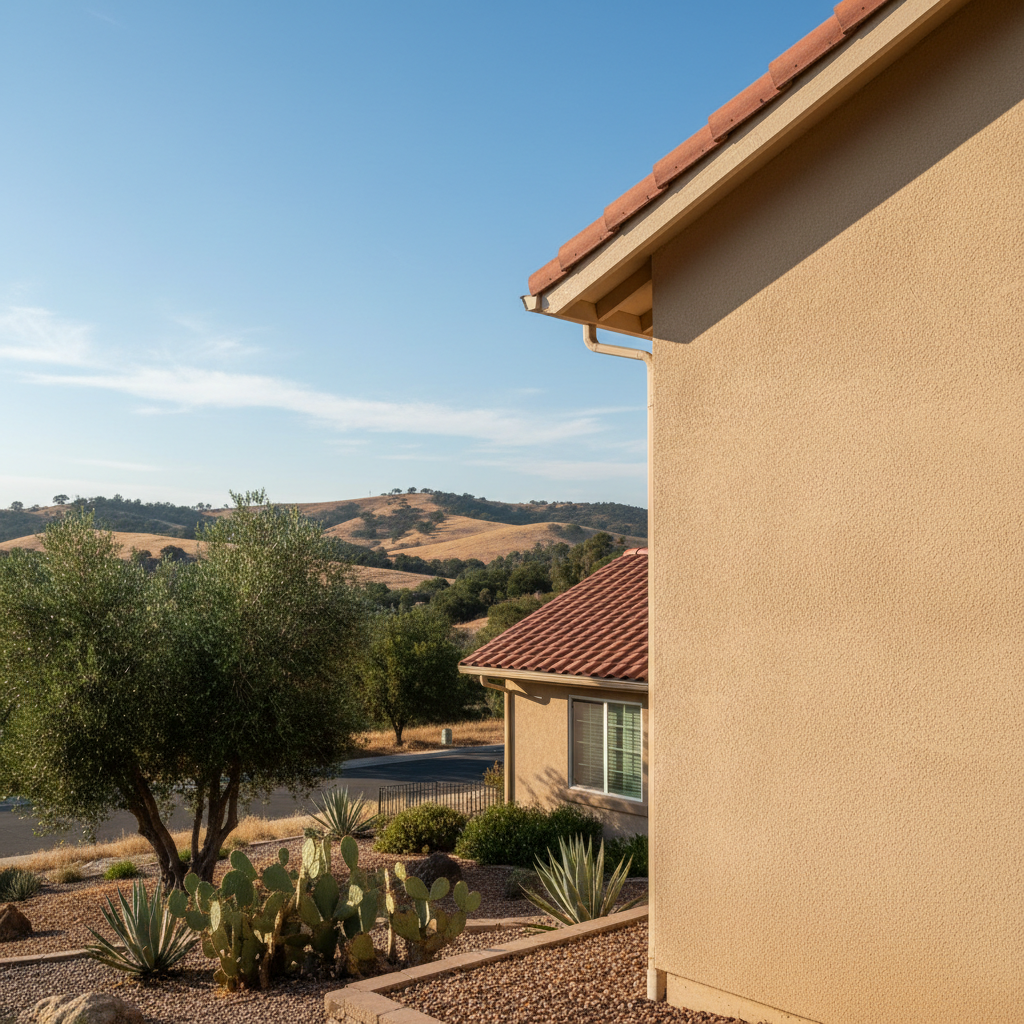
Running a business in Riverside means you've got a lot on your plate. The last thing you need is your building's exterior looking shabby or, worse, having structural issues. Commercial stucco is tough, durable, and it looks great, but it's not something you can just put up and forget about. You've got to give it a little attention to make sure it keeps doing its job for years to come. Think of it as protecting your investment and your business's curb appeal, you know?
Making Your Commercial Stucco Last Longer
You want your stucco to last, right? A big part of that means it was installed correctly in the first place. If you've got a newer building, hopefully, that's already taken care of. For an older structure, you might be dealing with some legacy issues, but regular maintenance can still make a huge difference. One of stucco's biggest enemies, especially here in Riverside with our sometimes intense summer heat followed by cooler, damp winters, is water getting in. It's not just rain; it's irrigation systems, leaky gutters, and even condensation. So, make sure your gutters are clean and draining away from the building. Check your irrigation heads – are they spraying directly onto the stucco? Adjust them. Simple stuff like that really adds up.
Keeping up with paint and sealants also helps. A good quality elastomeric paint can add an extra layer of protection against moisture and UV rays, which are brutal on materials out here. It also helps with the expansion and contraction that happens with our temperature swings, stopping tiny cracks from forming and letting water in.
Regular Maintenance: What You Actually Need To Do
So, what does 'regular maintenance' actually look like for commercial stucco? It's not rocket science, but it does require a consistent eye. Here's my take:
- Keep it Clean: Stucco can get dirty, especially on high-traffic commercial buildings. Dust, pollution, and even mildew can build up. A gentle power wash (and I mean gentle – don't blast it at full force, you'll damage the finish) every year or two can do wonders. For stubborn spots, a mild detergent and a soft brush can work. Just make sure to rinse thoroughly.
- Check for Cracks: Walk around your building, maybe once a quarter. Look closely at the stucco surface. Small hairline cracks are pretty normal; they're often just surface-level. But you're looking for anything bigger – cracks wider than a credit card, or ones that seem to be growing. Pay extra attention around windows, doors, and where different materials meet.
- Inspect Sealants: Anywhere stucco meets another material, like window frames, door frames, or trim, there should be a sealant. Over time, these dry out, crack, and pull away. When you're doing your crack check, look at these areas too. If the sealant looks compromised, it needs to be reapplied. This is a critical barrier against water, after all.
- Drainage, Drainage, Drainage: I mentioned it before, but it's worth repeating. Make sure water isn't pooling anywhere near the foundation or splashing up onto the stucco. Check your roof's drainage, too. Overflowing gutters can dump a lot of water onto your walls.
Warning Signs of Bigger Problems
Sometimes, what looks like a small issue can be a symptom of something bigger. You need to know what to look for:
- Stains: Dark streaks, especially under windows or near the roofline, are a huge red flag. This often means water is getting in somewhere and running down behind the stucco. Mold or mildew growth on the surface can also indicate chronic dampness.
- Bulging or Soft Spots: If you press on the stucco and it feels soft, spongy, or you see it bulging outwards, that's a serious problem. It usually means water has gotten behind the stucco and is rotting the substrate underneath. This needs immediate attention.
- Cracks with Efflorescence: Efflorescence is that white, powdery substance you sometimes see on masonry. If you see it coming out of a crack in your stucco, it means water is moving through the wall and dissolving salts from the masonry or stucco. It's a clear sign of moisture intrusion.
- Pest Infestations: Termites and other pests love damp, dark places. If you notice signs of pests near your stucco, especially around areas with suspected moisture, it could be related to water damage.
When to Call a Professional
Look, some things you can handle yourself, like cleaning or adjusting an irrigation head. But when you see those warning signs I just talked about, or if you're not sure what you're looking at, it's time to call in the pros. Trying to patch up a serious water intrusion issue yourself can actually make it worse and lead to more expensive repairs down the line. You need someone who understands stucco systems, how they interact with our specific climate conditions here in Riverside, and how to properly diagnose and fix the root cause, not just the symptom.
Here at Riverside Stucco & Plastering, we've seen it all. From minor touch-ups to major overhauls, we know what it takes to keep commercial stucco looking good and performing its best. Don't wait until a small crack turns into a huge headache. A quick inspection from an experienced contractor can save you a lot of money and stress in the long run. Keep your business looking sharp and protected – your stucco is a big part of that.